
Fall Back: What's Next in Washington?
This fall, Congress faces another fiscal year without enacted funding bills as uncertainty looms over potential shutdowns and the fate of key economic and tax policy decisions.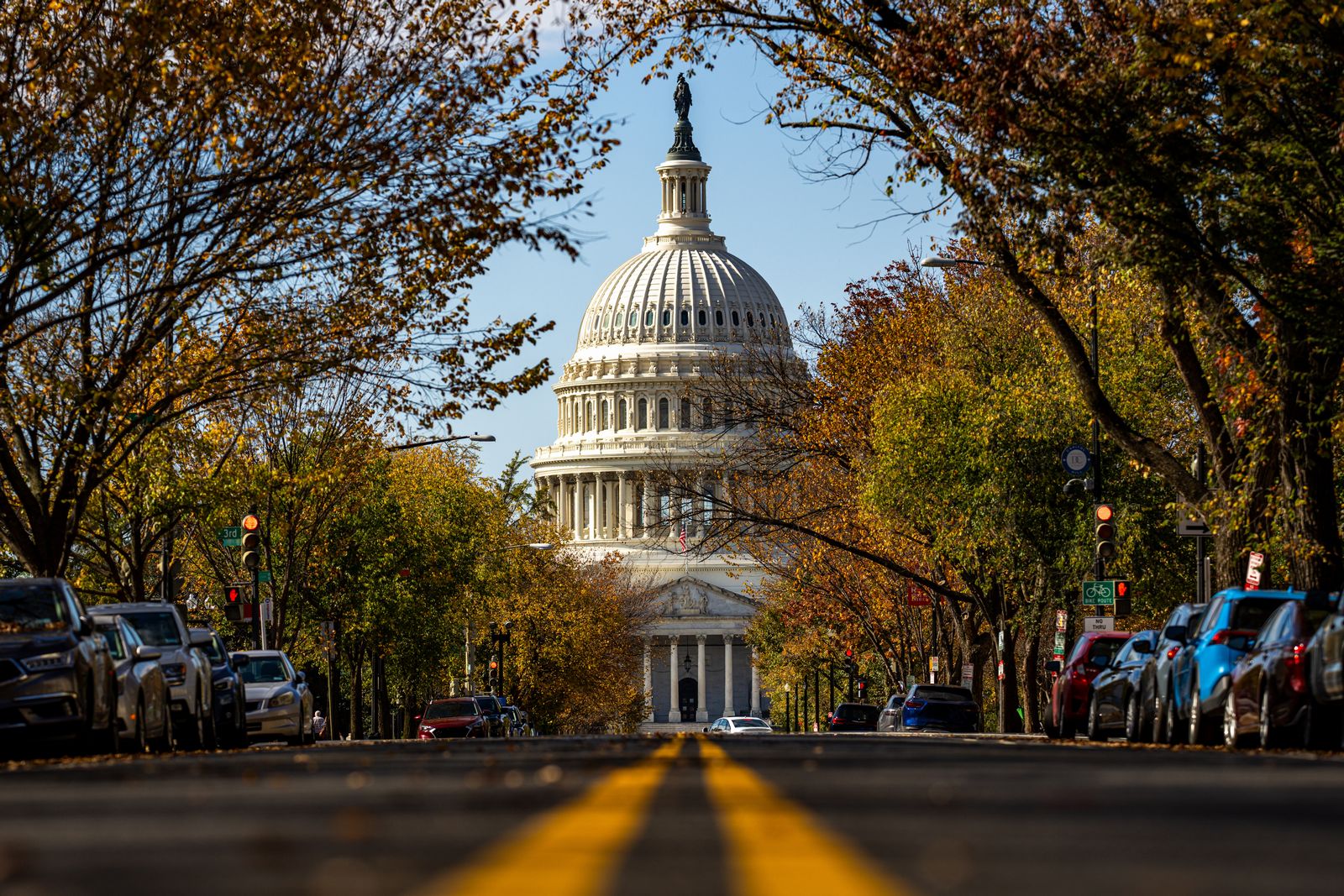
By: Tony Roda, Williams & Jensen
Daylight savings time ends on Sunday, November 2, ushering in the colder winter months. This is colloquially referred to as “Fall Back” because the clocks are set back one hour.
Where will Congress be on November 2? Falling back or moving forward? Will we be in the throes of federal government shutdown? If so, which party will be taking the most heat for the stalemate? All questions that cannot be answered today.
What is clear today, however, is that once again Washington is headed to the beginning of a new fiscal year – October 1 – without any of the 12 full year funding bills enacted into law. As our modern political world now seems to expect, another government shutdown is on the horizon.
In March, faced with a potential shutdown, Senate Minority Leader Chuck Schumer (D-NY) signed off on an omnibus bill that extended funding to the end of the current fiscal year – September 30. What followed was a withering assault on his decision and leadership, with the progressive wing of the Democratic Party outraged that he did not fight for their interests but instead gave the Republicans an easy legislative victory. Some even called for him to step down as Leader.
Fast forward to today and we see a very different approach being taken by Leader Schumer and the Democrats. In fact, they have provided a list of specific demands to the Republicans, satisfaction of which will translate into Democratic votes for a short-term, stopgap funding bill. The list of Democratic demands follows:
- Extension of the expiring tax subsidies for Affordable Care Act health care premiums;
- Reversal of cuts to Medicaid, which were enacted as part of the reconciliation bill (aka, the One Big Beautiful Bill);
- Revocation of the Trump Administration's freeze on certain federal spending, including foreign aid and grants to states; and
- Assurance that President Trump will not claw back additional appropriated funds.
We don't know whether the President will negotiate directly with Congressional Democrats on these points. In recent days, the President agreed to a meeting and soon thereafter cancelled it.
Consideration of the spending legislation, while lacking a direct impact on public pension plans, sets the stage and the tone for further Congressional action this fall. In my recent discussions with Members of Congress and staff it has become clear that the question of whether a Reconciliation Act 2.0 will be considered this fall will be answered by one person – President Trump. Thus far, the President has not pressed Congress for a second bill, but that could change before the proverbial ink is dry on this article.
The one issue that the President has spoken about that could provide the engine for Reconciliation 2.0 is the capital gains tax treatment on the sale of a principal residence, i.e., in general terms the tax owed on the gain determined by subtracting your tax basis in the home from the sales price.
A strong case can be made to modify this tax. The current law allows homeowners to exclude a certain portion of the gain from tax -- $250,000 for taxpayers filing single; $500,000 for married taxpayers filing jointly. But these amounts have not been modified since 1997, almost 30 years ago. Meanwhile, in most parts of the country property values have moved steadily higher. Because of this squeeze many taxpayers now feel trapped in their homes, not wanting to sell and incur the capital gains tax of up to 20 percent, depending on your overall tax bracket. According to the National Association of Realtors, almost one-third of U.S. homeowners – about 29 million homeowners – have gains on their primary residences that exceed the current exclusion amounts. Note that, if the current exclusions had been adjusted for inflation since 1997, the amounts in today's dollars would be $660,000 and $1.32 million, respectively.
Home sales are an economic engine. It's not just the transaction itself, but the cavalcade of economic activity that follows the sale – renovations, appliances, furniture, carpeting, and landscaping to name just a few areas. This fact has not been lost on the Trump Administration, and it speaks clearly to the President's insistence that the Federal Reserve lower interest rates. Adjusting the capital gains tax treatment on the sale of a principal residence coupled with a lower interest rate environment would provide a powerful economic stimulus.
If Reconciliation 2.0 does get traction this fall or next year, the public pension community once again will have to be vigilant in watching for any mention of the Unrelated Business Income Tax or any other problematic provisions for our plans.
What we've now come to take for granted will be no less true for the remainder of the year – the watchword is unpredictability. Reconciliation 2.0 can move quickly once the right voices line up behind it. Be assured that NCPERS will be reading the tea leaves on this issue and will report any significant developments to its members.
Tony Roda is a principal at the Washington, D.C. law and lobbying firm Williams & Jensen, where he specializes in legislative, regulatory, and fiduciary matters affecting state and local retirement plans. He represents the National Conference on Public Employee Retirement Systems and state, county, and municipal retirement plans in California, Colorado, Georgia, Kentucky, Nebraska, Ohio, Tennessee, and Texas. Tony has an undergraduate degree in government and politics from the University of Maryland, J.D. from the Catholic University of America, and LL.M (tax law) from the Georgetown University Law Center.